📰 SGR for food products: registration and testing procedures
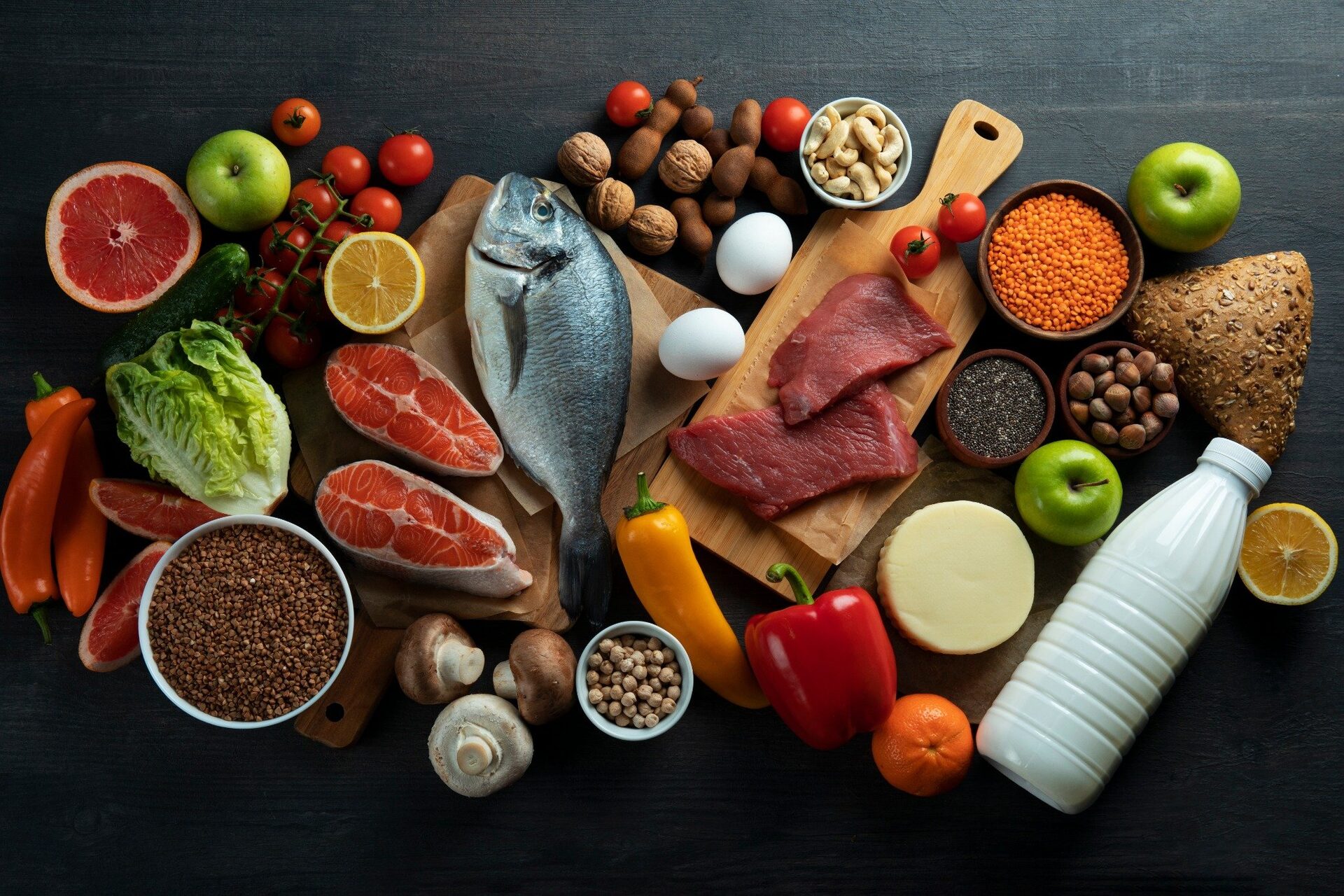
Food products are one of the most sensitive categories of goods, as they directly affect human health.
For these products to be sold and imported into Kazakhstan and the EAEU, a Certificate of State Registration (SGR) confirming their safety must be obtained.
This article explains the procedure for obtaining an SGR for food products, the tests involved and the stages of expert assessment.
🍞 Why is a State Registration Certificate (SGR) required for food products?
An SGR (Certificate of State Registration) confirms that a product is safe for consumers and meets the sanitary and hygienic standards of the Eurasian Economic Union (EAEU).
Without it, the sale, production and import of food products is prohibited.
The procedure is mandatory for:
- bottled water and beverages;
- confectionery and snacks;
- dairy and meat products;
- baby food and dietary foods;
- specialized foods for therapeutic and preventive nutrition;
- products containing dietary supplements or GMOs.
🧾 1. Collection and analysis of documents
The first stage involves preparing and reviewing the documentation demonstrating the product’s safety and quality.
The applicant provides:
- an application for an SGR;
- the product’s composition and description, including ingredients, nutritional value and intended use;
- a technical passport, technical conditions (TU) or the applicable GOST standard;
- label and packaging samples;
- raw material certificates, if available;
- manufacturer information.
ALMA TEST experts check the documents for completeness and compliance with EAEU requirements. Additional information is requested where necessary.
🔬 2. Laboratory tests
At this stage, the product undergoes a sanitary and hygienic assessment.
The goal is to confirm that food is safe and meets established standards.
The following are checked during the tests:
- the presence of toxic, chemical and microbiological contaminants;
- content of heavy metals, pesticides, nitrates, preservatives;
- indicators of nutritional value and energy value;
- compliance with the declared composition and labeling;
- level of radiation and bacteriological safety.
Testing is carried out in accredited laboratories in Kazakhstan, and the results are documented in test reports.
🧭 3. On-site inspection and testing
If samples cannot be sent to a laboratory, for example in large-scale production, experts carry out an on-site inspection.
The following are assessed on site:
- sanitary condition of production;
- technological process and storage conditions;
- compliance of premises with sanitary standards;
- sampling for analysis.
This on-site visit ensures that products are manufactured under safe and controlled conditions.
📊 4. Data Analysis
After testing is complete, experts analyze all the data collected.
At this stage:
- laboratory results are compared with EAEU sanitary standards;
- the composition is checked against the declared characteristics;
- the safety of long-term consumption is assessed.
If any discrepancies are identified, the applicant is sent recommendations for their elimination (for example, changing the recipe, labeling, or storage conditions).
📄 5. Preparation of an expert opinion
An expert opinion confirming the food product’s safety is prepared on the basis of all the test results.
The document specifies:
- product name and category;
- laboratory test results;
- conclusion on compliance with sanitary and hygienic requirements;
- recommendations for product circulation on the market.
The expert opinion is sent to the Committee for Sanitary and Epidemiological Control of the Ministry of Health of the Republic of Kazakhstan, which decides whether to issue a Certificate of State Registration (SGR).
After registration, the data is entered in the EAEU Unified Register, and the SGR becomes valid throughout all member states.
⏱️ Processing time and cost
- Document preparation: 2–3 business days
- Laboratory testing: 10–20 days
- Preparation of the expert opinion and registration: 5–10 days
💰 The cost depends on the composition of the product and the scope of testing.
ALMA TEST helps calculate the price in advance and provides a complete service for obtaining an SGR.
🧩 Why choose ALMA TEST?
ALMA TEST specializes in the state registration of food products.
We:
- identify the correct EAEU commodity code (TN VED) and product category;
- arrange laboratory testing;
- prepare the full document package;
- support the process through to receipt of the SGR;
- enter the data in the EAEU register.
We work officially, quickly and with a guaranteed result.
✅ Summary
An SGR for food products provides assurance that a product is safe, meets quality requirements and may be sold freely in Kazakhstan and the EAEU.
The procedure includes document analysis, laboratory testing and examination, based on the results of which a conclusion and certificate are issued.
ALMA TEST handles the entire SGR registration process, without errors or delays, and you receive a certificate valid in all EAEU countries.