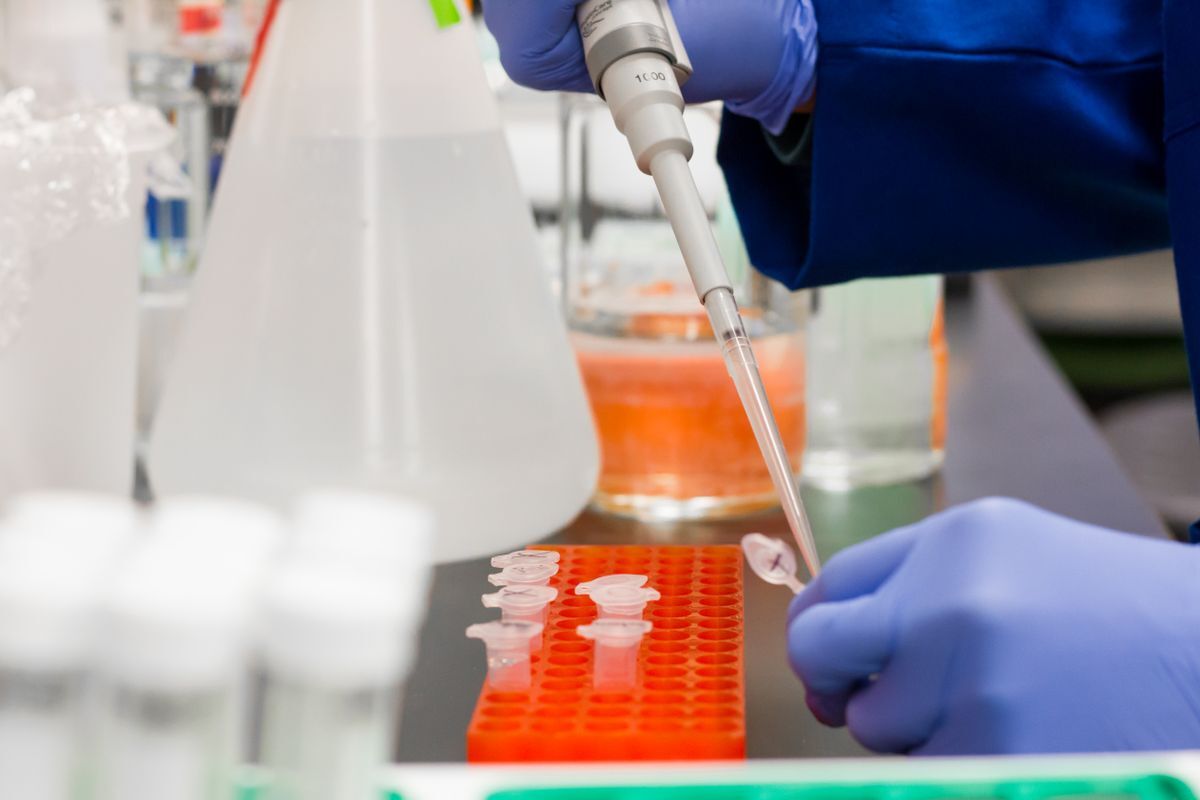
State registration involves assessment of product documents and test results. A testing laboratory, an expert organisation and the registration authority have different roles; a positive test report is not itself an SGR.
Plan the assessment
Identify the applicable requirements from composition, use and labelling. Review manufacturing documentation, safety information and product variants. The testing programme must follow the relevant regulation or sanitary requirements rather than one standard list for all goods.
Sampling and testing
Sampling, identification and delivery must link the sample to the declared product. Check the laboratory's accreditation scope for the relevant products and methods. Required tests may cover microbiological, chemical, toxicological or other parameters. A production-site inspection must not be presented as mandatory for every registration; its necessity depends on the applicable procedure.
Results and decision
Reports and other required evidence form the application package. A non-compliant result requires investigation and the actions permitted by the procedure; a consultant cannot override it. The competent authority decides on approval or refusal. Article 6 of TR CU 009/2011 addresses cosmetics, and Article 25 of TR CU 021/2011 addresses specialised food. ALMA TEST assists with arranging studies and preparing evidence. Timing depends on the programme, samples, logistics and document readiness.
Official sources
Reviewed against official sources on 11 November 2026. Publisher: ALMA TEST. Applicability is assessed using the particular product documentation.
We can help clarify your product requirements and the SGR registration process.
Contact us on WhatsApp · +7 707 807 45 35Find us on 2GIS · PLANK / Almatest
Almaty, 230 Zharokov St., Block D, 8th floor, Office 76